don’t let mildew and botrytis get you down
Are you a winemaker dealing with mildew and botrytis? In this blog post, we’ll share helpful tips to identify and tackle issues in vineyards, to help you make the best of a bad situation. From dropping compromised fruit early on to incorporating a combination of tannin and sulfur, we’ve got you covered.
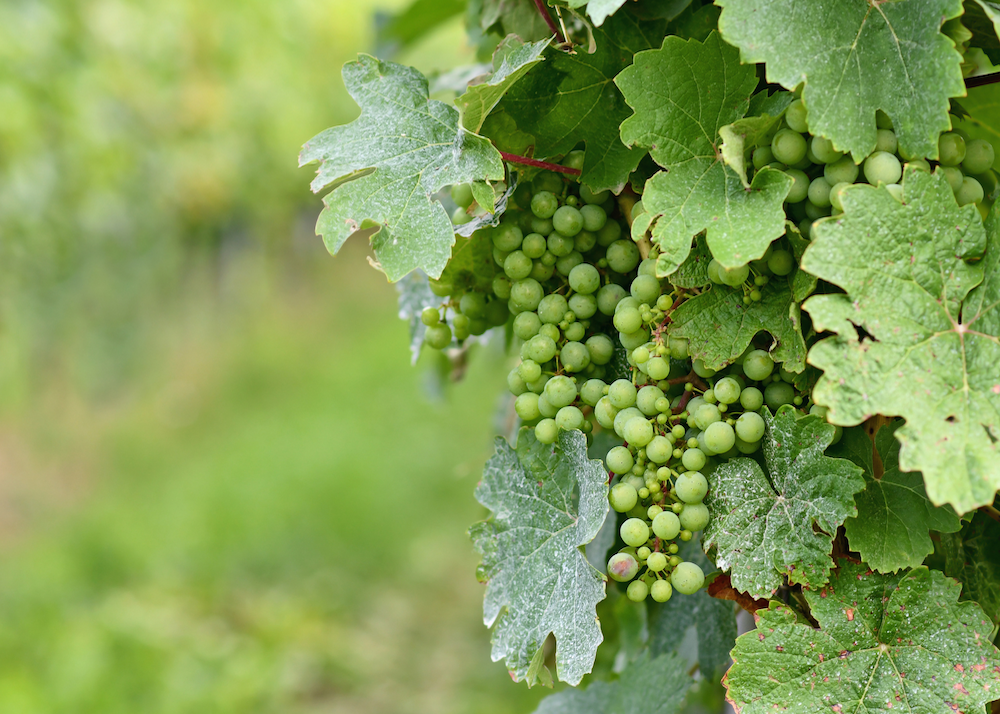
white grapes
- Add Gallic Tannin to both the fruit and the juice tank.
- Centrifuge or Float the juice very clean. Add Yeast Hulls to the clarified tank if more solids are desired based on wine style.
- If settling, use Bentonite to assist with settling and laccase removal – discard lees.
- Inoculate with a strong fermenting yeast at recommended dose rates immediately.
- Ferment all varieties on 1-3 g/L Untoasted or Light Toast Oak to prevent browning, improve texture, sweetness, weight and preserve aromatics.
- Rack off of gross lees onto 0.5 – 2.0 g/L Untoasted or Light Toast oak to improve weight, prevent oxidation, and preserve aromatics.
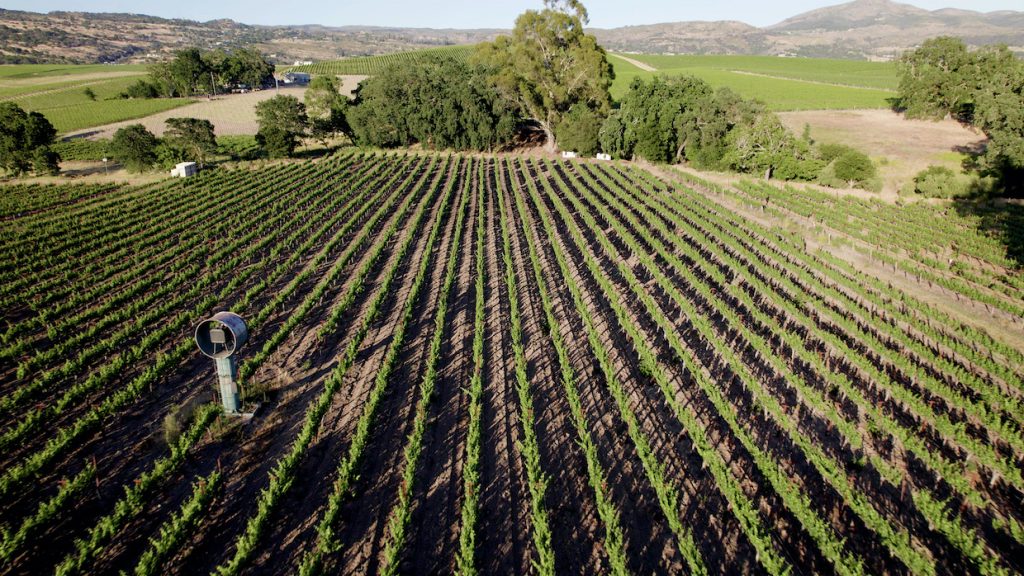
red grapes
- Add 2-4#/ton Untoasted or Light Toast Oak in conjunction with Enological Tannins to either the hopper or straight into the fermenter. Use higher dose rates for more compromised fruit to promote color stability and to prevent the laccase browning/oxidation effect.
- Cold soak is not advised. Inoculate with a strong fermenting yeast at recommended dose rates immediately.
- Extended maceration not advised.
- Post-pressing – once wine is confirmed RS dry, rack off or centrifuge off gross lees immediately onto 1-3 g/L Untoasted or Light Toast oak to promote color stability, improve wine structure and aromatics, and to prevent oxidation.
If you run into any problems and need professional intervention, I am just an email or phone call away.
-Jason Dodge, Managing Director, Winemaking